Take a Tour of Our Lab
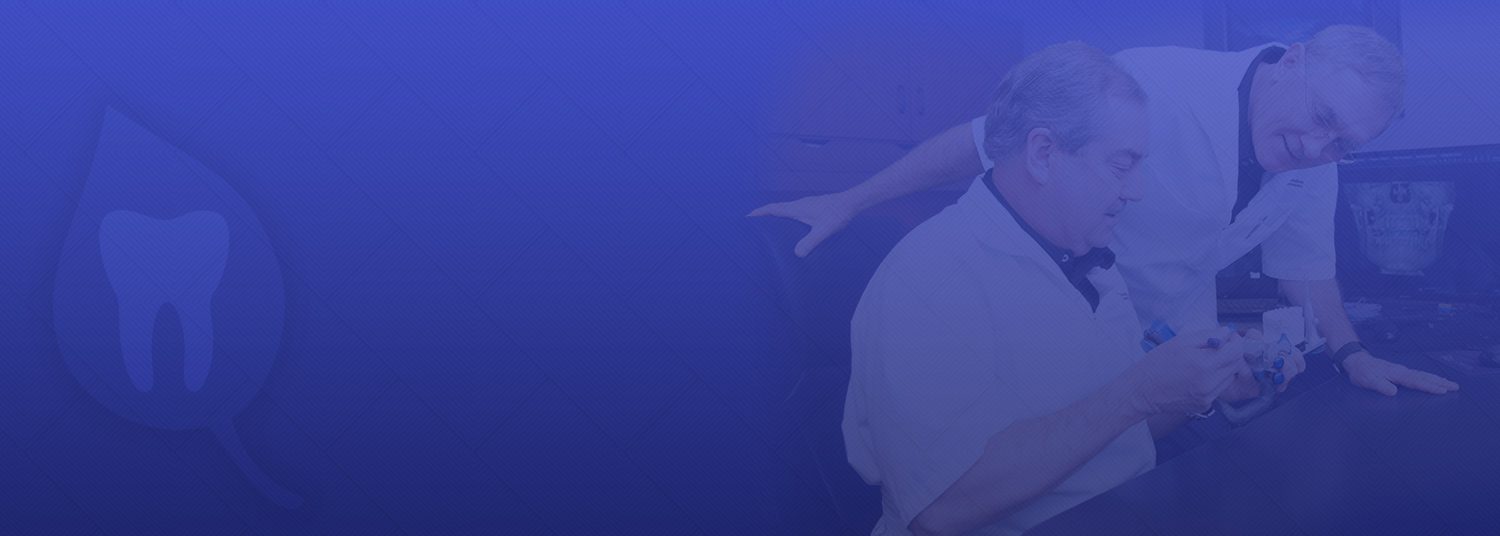
Thompson Suburban Dental Laboratory has built a reputation of superior care, attention to detail, and customer service providing:



 410.453.9600
800.234.2109
410.453.9600
800.234.2109
Thompson Suburban Dental Laboratory has built a reputation of superior care, attention to detail, and customer service providing:
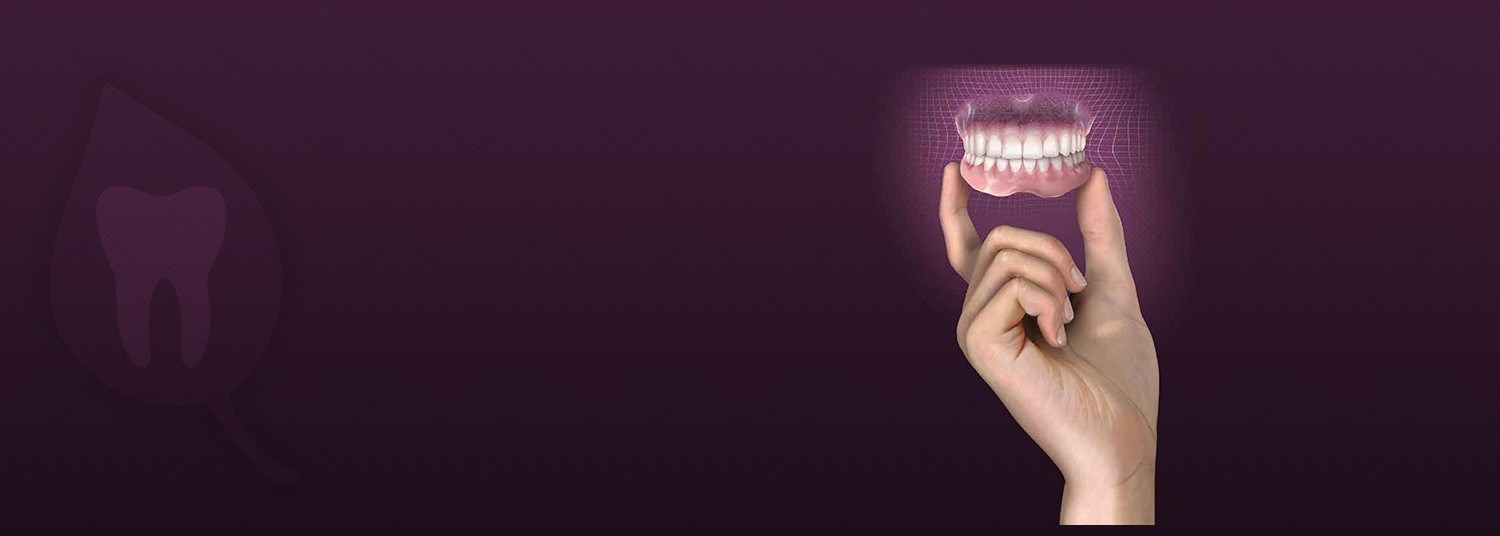
Thompson Suburban Dental Laboratory has always added new products and services as new technology is released. One of our latest products is digital dentures from:



We are a leading dental lab providing consultation and planning services for dental implants.

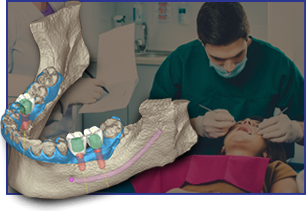
For over 50 years, Thompson Suburban has been one of Maryland's leaders in implant prosthetics and cosmetic dentistry. Our reputation has earned us the trust of many top dental professionals from all over the country.
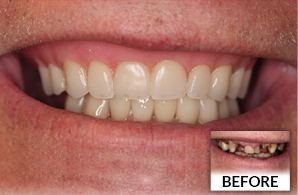
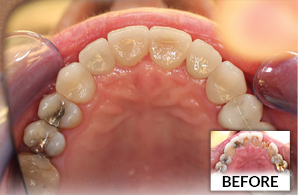
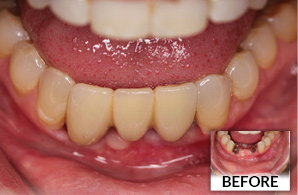
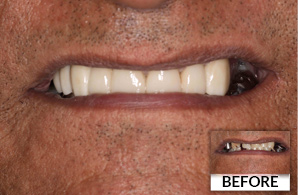
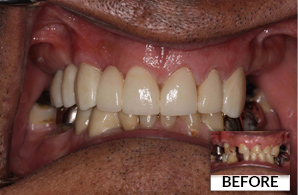
In our esthetic restorations, we use high-quality materials to create color, shape and translucency virtually indistinguishable from those of real teeth. Our goal is to help you restore your patient's natural smile.
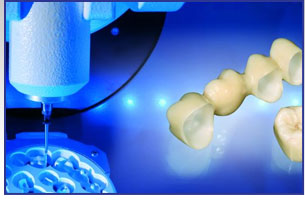
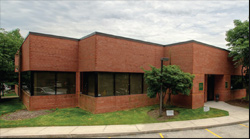
Our restorations are fabricated at our Timonium, MD dental lab equipped with cutting edge technology and trained staff. From CAD/CAM to digital case processing, technology helps us to better serve you!
"I highly recommend Thompson Suburban Dental Laboratory for any dental practitioner's laboratory needs."
-Dr. Anthony H. Hamod
"We have been extremely satisfied with the work they produce on a daily basis."
-Paul and Matt Field DDS
"I appreciate how hard you work to make me look good!"
– Lynn R. Chincheck, DDS










Thompson Suburban Dental Laboratory
1922 Greenspring Dr., Suite 9
Timonium, MD 21093
(410)453-9600 • (800) 234-2109


©2016 Thompson Suburban Dental Laboratory, All Rights Reserved.
Site Designed and Developed by: Advantage Internet Marketing